- Home
- About Us
- Shop
- Card Personalization
Smart Card Printer
Card & Consumables
Card Softwares
- RFID & IOT
- Other Services
- Contact Us

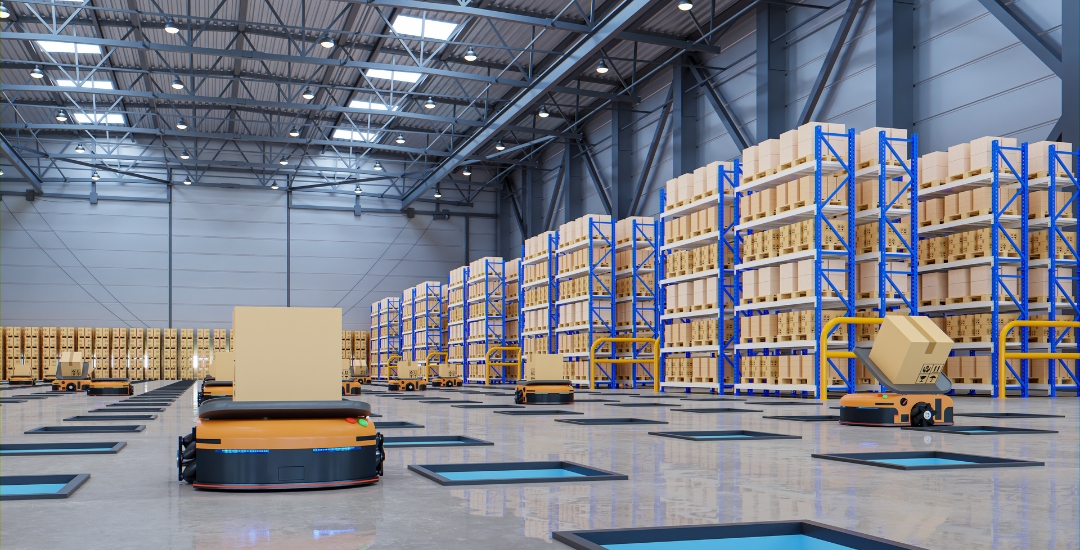
The future of logistics in India is being shaped by RFID warehouse automation India 2026, where traditional manual warehouses are transforming into intelligent, self-operating fulfillment centers. As India’s warehouse sector rebounds with an expected absorption of 45 million square feet by the end of 2026, companies are investing heavily in automation technologies to meet the surging demands of e-commerce, manufacturing, and multimodal logistics. At the heart of this transformation lies Radio Frequency Identification technology, working seamlessly with robots, cloud-based systems, and artificial intelligence to create what industry experts call “the smart warehouse revolution.”
This shift is not just about technology—it’s about survival. Indian retailers and logistics providers who fail to adopt automated warehouse management RFID systems risk falling behind competitors who can process orders 40% faster, maintain 99% inventory accuracy, and operate round-the-clock without the limitations of manual labor. From Tier-1 hubs like Mumbai and Pune to emerging Tier-2 cities like Lucknow, Jaipur, and Coimbatore, the warehouse automation industry in India is growing at a remarkable 13.38% CAGR, driven by government initiatives like the National Logistics Policy and explosive e-commerce growth.
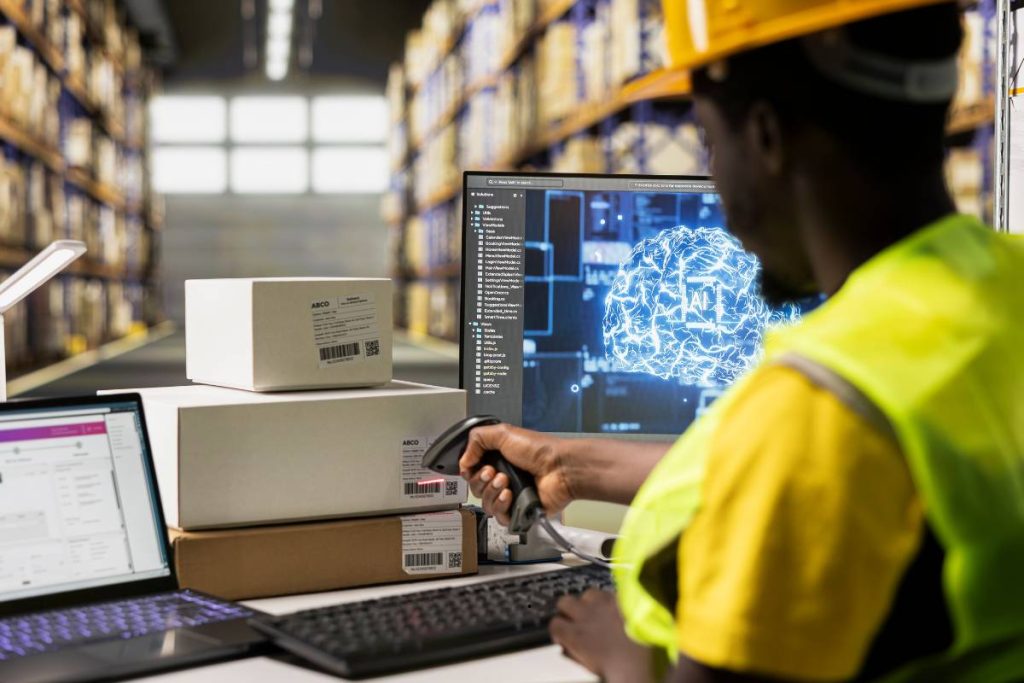
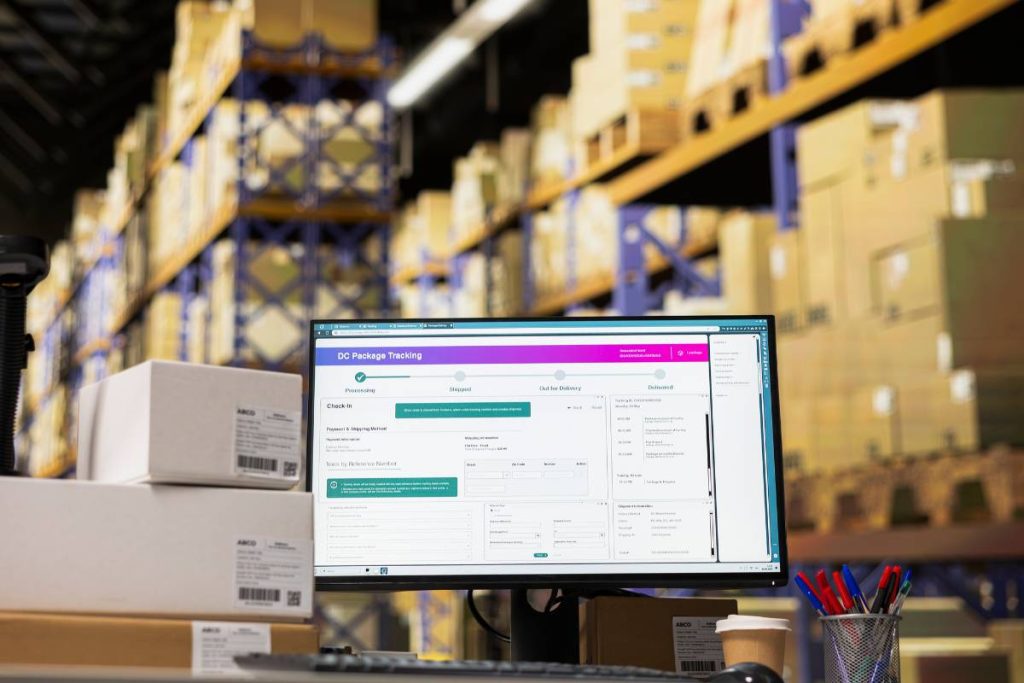
RFID warehouse automation India 2026 represents the convergence of radio frequency identification technology with automated systems including Autonomous Mobile Robots (AMRs), Automated Guided Vehicles (AGVs), Warehouse Management Systems (WMS), and Internet of Things (IoT) sensors. Unlike traditional barcode systems that require line-of-sight scanning, RFID readers can detect hundreds of tagged items simultaneously from several meters away, enabling instantaneous inventory counts and shipment verification without human intervention.
The technology works through passive UHF RFID tags attached to every pallet, carton, or individual product. Fixed RFID readers installed at warehouse entry points, storage racks, conveyor belts, and loading docks continuously communicate with these tags using radio waves. When a shipment arrives, RFID gates automatically scan every item in the truck within seconds, updating the WMS in real-time. This level of automation eliminates the 2-3 day stock audit cycles that plague traditional warehouses, replacing them with continuous, always-accurate inventory visibility.
According to industry data from Research and Markets, businesses implementing automated warehouse management RFID typically achieve 99% inventory accuracy—a dramatic improvement from the 70-85% accuracy common in manual operations. This precision directly translates to fewer stockouts during peak demand periods like Diwali and significantly reduced overstock write-offs. For Indian logistics providers managing complex, fast-moving supply chains, this accuracy gap represents millions of rupees in annual savings.
The evolution toward smart warehousing trends India in 2026 rests on three foundational technologies working in perfect synchronization. First, robotics—both AGVs following predefined floor paths and AMRs navigating autonomously—handle the heavy lifting and transport functions that traditionally consumed significant labor hours. These robots work tirelessly, moving pallets from receiving docks to storage locations and retrieving items for outbound shipments based on WMS instructions.
Second, real-time inventory tracking through RFID provides the data backbone that makes automated decisions possible. Every movement of every item is captured instantly. When a robot picks up a pallet, the RFID system knows. When products move from storage to the packing station, the system updates inventory levels automatically. This continuous visibility enables predictive analytics—the WMS can forecast when stock will run low and trigger automatic replenishment orders before stockouts occur.
Third, cloud-based Warehouse Management Systems process this constant stream of RFID data, making split-second decisions about where to store incoming shipments, which orders to prioritize, and how to optimize pick paths for maximum efficiency. If a customer places a rush order, the WMS instantly adjusts robot task priorities and alerts human supervisors. This real-time responsiveness transforms warehouses from static storage facilities into dynamic, intelligent logistics hubs capable of adapting to changing demands within minutes rather than hours or days.
The integration of these three elements creates what Maersk describes as “warehouses of 2026” where technology augments human capabilities rather than replacing them entirely. Workers focus on exception handling, quality control, and complex decision-making, while robots and RFID systems manage repetitive, high-volume tasks. This human-machine collaboration delivers the efficiency of automation with the flexibility and problem-solving capabilities that only people can provide.
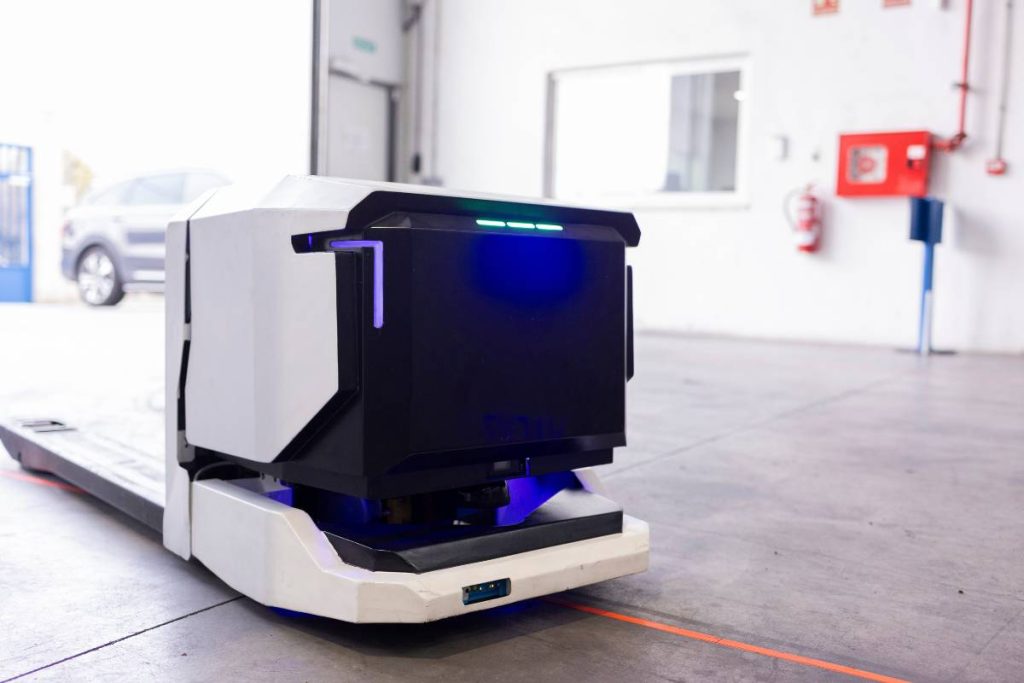
AGV RFID integration represents one of the most transformative applications of RFID warehouse automation India 2026. Traditional AGVs follow magnetic strips or wires embedded in warehouse floors, limiting their flexibility and requiring significant infrastructure investment. Modern AGV systems equipped with RFID readers operate with far greater autonomy and intelligence. As an AGV approaches a storage rack, its onboard RFID reader scans all items on nearby shelves, identifying which pallet contains the products needed for the next shipment.
This capability eliminates the time-consuming process of human verification where workers must physically scan barcodes to confirm they’re picking the correct items. The RFID-equipped AGV knows instantly—from several meters away—whether the pallet contains automotive parts, consumer electronics, or pharmaceutical products. If the pallet has been misplaced, the system alerts supervisors immediately, preventing costly shipping errors before they occur.
Leading warehouse automation providers like Zebra Technologies and Honeywell International have launched AI-enabled mobile computers with integrated RFID capabilities specifically designed for Indian logistics operations. These devices combine robot navigation systems with RFID tag reading, enabling AGVs to not only transport items but also conduct continuous inventory audits as they move through the facility. A single robot passing through a warehouse aisle can scan thousands of RFID tags in seconds, generating real-time inventory reports without disrupting normal operations.
The safety implications of AGV RFID integration cannot be overstated. New sensor technologies ensure these robots interact safely with human workers, automatically slowing down or stopping when people enter their path. RFID systems enhance this safety by providing robots with awareness of their surroundings—they know where inventory is located and can plan optimal routes that avoid congested areas. This combination of sensors and RFID awareness makes mixed human-robot warehouse environments not just feasible but remarkably safe and efficient.
Traditional inventory management in Indian warehouses followed monthly or quarterly physical count cycles—labor-intensive processes that shut down operations for days while teams manually counted every item. Real-time inventory tracking through RFID eliminates this disruption entirely. Every product’s location and movement status is known at all times, with inventory records updating automatically as items move through receiving, storage, picking, packing, and shipping.
This continuous visibility provides logistics managers with unprecedented control over their operations. They can see not just how many units of a product exist in the warehouse, but precisely where each unit is located, when it arrived, when it expires (for perishable goods), and which customer orders it’s allocated to. When a delivery truck arrives with a rush shipment, RFID gates scan the entire load in under 30 seconds—a process that would take human workers several hours with traditional barcode scanning.
The impact on customer satisfaction is substantial. E-commerce companies can provide accurate delivery estimates because they know exactly when products move from warehouse shelves to outbound trucks. If a customer modifies an order at the last minute, the real-time inventory tracking system immediately identifies whether the requested items are available and where they’re located in the facility. This responsiveness transforms the customer experience from “we’ll check and get back to you” to “yes, your modified order is confirmed and will ship today.”
For perishable goods—pharmaceuticals, food products, and chemicals—real-time inventory tracking through RFID prevents costly waste. Temperature-sensitive sensor tags monitor storage conditions continuously, alerting warehouse staff if refrigeration systems malfunction before products spoil. First-In-First-Out (FIFO) inventory rotation happens automatically, with the WMS directing pickers to retrieve items approaching expiration dates first. This intelligent inventory management reduces waste by 30-40% compared to manual systems where products often get pushed to the back of shelves and forgotten until they expire.
India’s journey toward automated warehouse management RFID gained serious momentum in 2025-2026 as major 3PL providers, e-commerce giants, and manufacturing companies deployed Grade-A warehouses equipped with full RFID automation. Mumbai and Pune together accounted for 81% of warehouse leasing activity in Q1 2026, with the vast majority of new facilities incorporating RFID infrastructure from day one rather than retrofitting existing buildings.
The economics driving this adoption are compelling. While RFID implementation requires upfront investment—tags, readers, antennas, software integration—the return on investment typically materializes within 12-18 months through labor savings, reduced inventory shrinkage, faster order processing, and elimination of shipping errors. For a mid-sized warehouse processing 10,000 orders daily, RFID automation can reduce labor requirements by 30-40% while increasing throughput capacity by similar margins.
Government infrastructure programs are accelerating this transformation. The Department for Promotion of Industry and Internal Trade’s (DPIIT) investment of ₹5.97 billion in multi-modal logistics parks specifically includes provisions for advanced tracking systems and warehouse automation. The National Logistics Policy’s explicit goal of improving logistics performance metrics creates strong incentives for warehouse operators to adopt technologies like RFID that demonstrably improve efficiency and transparency.
Small and medium logistics businesses face challenges affording the capital investment required for full warehouse automation. However, the emergence of SaaS (Software-as-a-Service) models for WMS and cloud-based RFID platforms is lowering entry barriers. Companies can now adopt RFID warehouse automation through subscription models that spread costs over time rather than requiring large upfront capital expenditures. This democratization of automation technology means even smaller warehouses can benefit from RFID’s efficiency gains.
While RFID implementation requires upfront investment—tags, readers, antennas, software integration—the return on investment typically materializes within 12-18 months through labor savings, reduced inventory shrinkage, faster order processing, and elimination of shipping errors. For a mid-sized warehouse processing 10,000 orders daily, RFID automation can reduce labor requirements by 30-40% while increasing throughput capacity by similar margins. Small and medium businesses can now access RFID automation through cloud-based SaaS models that eliminate large upfront capital investments, with subscription-based WMS platforms costing as little as ₹15,000-25,000 per month.
RFID warehouse automation achieves 99% inventory accuracy compared to 70-85% with traditional barcode systems. Real-time tracking eliminates 2-3 day stock audit cycles, replacing them with continuous inventory visibility. Companies typically see 30-40% reduction in labor requirements, 30-40% reduction in waste for perishable goods, faster order processing, elimination of shipping errors, and the ability to process significantly more orders with the same physical space. RFID gates scan entire truck loads in under 30 seconds—a process that would take human workers several hours.
AGV RFID Integration: Robots That See Through Walls” section “AGVs equipped with RFID readers operate with greater autonomy and intelligence. As an AGV approaches a storage rack, its onboard RFID reader scans all items on nearby shelves, identifying which pallet contains the products needed for the next shipment. The RFID-equipped AGV knows instantly—from several meters away—whether the pallet contains automotive parts, consumer electronics, or pharmaceutical products. These devices combine robot navigation systems with RFID tag reading, enabling AGVs to not only transport items but also conduct continuous inventory audits as they move through the facility.
The Three Pillars of 2026″ and “Looking Beyond 2026” sections “Smart warehousing trends India in 2026 rest on three technologies: robotics (AGVs and AMRs handling transport), real-time inventory tracking through RFID providing data backbone, and cloud-based Warehouse Management Systems processing RFID data for split-second decisions. Looking forward, AI-powered predictive analytics, blockchain integration with RFID tags, digital twin technology, and expansion into Tier-2 cities like Lucknow, Jaipur, and Coimbatore represent major growth areas. India’s warehouse automation industry is growing at 13.38% CAGR with 45 million square feet absorption expected by end of 2026
New sensor technologies ensure robots interact safely with human workers, automatically slowing down or stopping when people enter their path. AGVs with RFID integration use multiple sensor technologies – cameras, lidar, ultrasonic sensors, and safety bumpers – to detect and avoid human workers. RFID systems enhance safety by providing robots with awareness of their surroundings. Modern safety protocols require AGVs to slow down automatically when approaching humans and stop completely if someone enters their immediate path. This multi-layered safety approach has made mixed human-robot warehouses remarkably safe, with accident rates lower than traditional manual warehouses.
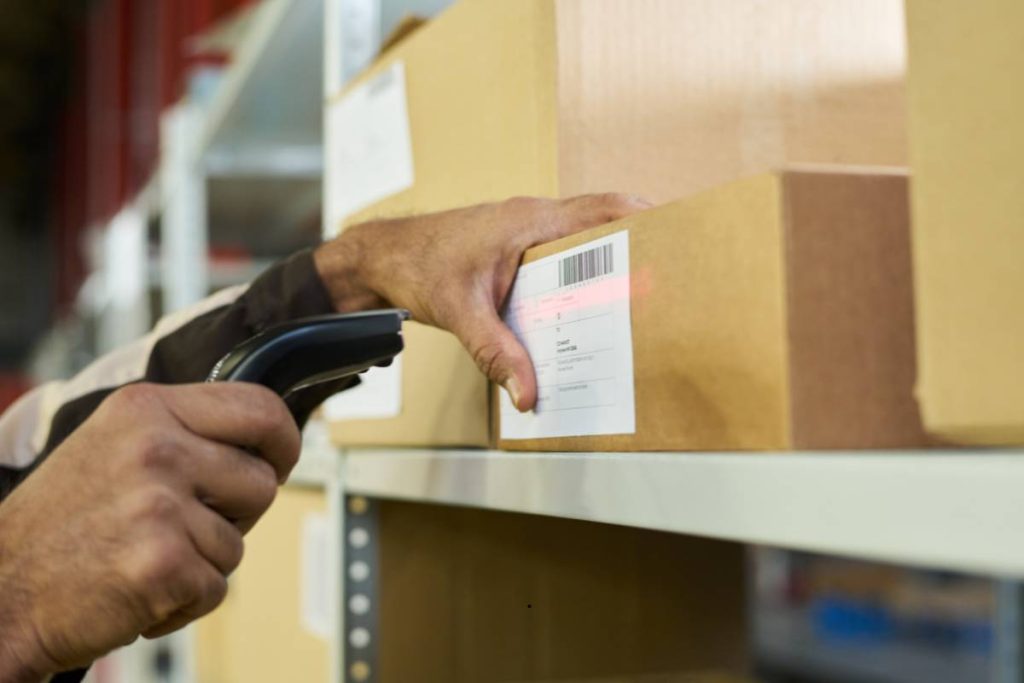
As we look beyond 2026, emerging smart warehousing trends India point toward even deeper integration of artificial intelligence, blockchain, and advanced robotics with RFID systems. AI-powered predictive analytics will use RFID data to forecast demand patterns with greater accuracy, enabling warehouses to pre-position inventory closer to anticipated customer demand. Digital twin technology—virtual replicas of physical warehouses—will allow logistics managers to simulate different scenarios and optimize layouts before making costly physical changes.
Blockchain integration with RFID tags promises to revolutionize supply chain transparency by creating immutable records of product movements from manufacturer to end customer. This capability is particularly valuable for pharmaceuticals and high-value electronics where counterfeiting is a concern. Every time an RFID-tagged product changes hands, the blockchain records the transaction, creating an auditable trail that proves authenticity and proper handling.
The expansion of warehouse automation into Tier-2 and Tier-3 cities represents enormous growth potential. Cities like Lucknow, Jaipur, Coimbatore, and Indore are emerging as fulfillment growth points, driven by rising local e-commerce demand and lower real estate costs compared to Mumbai or Bangalore. As infrastructure improves through highway expansions and improved rail connectivity, these secondary cities will become increasingly attractive locations for automated warehouses serving regional markets.
Environmental sustainability is becoming a key consideration in warehouse automation strategies. RFID systems contribute to sustainability goals by reducing waste through better expiration date management, optimizing space utilization to minimize building footprints, and enabling lights-out operations where warehouses run with minimal lighting by relying on automated systems. Electric AGVs and AMRs powered by renewable energy sources are becoming standard in new warehouse developments, reducing carbon emissions while maintaining operational efficiency.
Ready to Transform Your Warehouse Operations?
The shift to RFID warehouse automation is happening now across India. Companies implementing smart warehousing with real-time inventory tracking are gaining significant competitive advantages—99% inventory accuracy, 40% faster processing, and dramatic cost savings.
Ecartes Technology has deployed RFID warehouse automation solutions across Grade-A logistics facilities in India’s major metros and Tier-2 cities. With 28+ years of RFID expertise and government empanelment credentials, we understand the unique challenges of Indian logistics operations.
RFID warehouse automation achieves 98-99% inventory accuracy compared to 70-85% with traditional barcode systems. This improvement occurs because RFID readers scan hundreds of tags simultaneously without requiring line-of-sight visibility, eliminating human scanning errors and missed items. The system updates inventory records in real-time as products move through the warehouse, ensuring counts are always current rather than waiting for periodic manual audits that quickly become outdated.
Most Indian companies implementing automated warehouse management RFID see positive return on investment within 12-18 months. The exact timeline depends on warehouse size, order volume, and labor costs, but savings typically come from reduced labor requirements (30-40% reduction in picking and inventory management staff), elimination of shipping errors (which often cost 5-10% of revenue), reduced inventory shrinkage and theft, and the ability to process significantly more orders with the same physical space.
Small and medium warehouses can now access RFID automation through cloud-based SaaS models that eliminate large upfront capital investments. Companies can start with basic RFID systems for receiving and shipping verification (the highest ROI applications) and gradually expand to full warehouse automation as they grow. Subscription-based WMS platforms with built-in RFID capabilities cost as little as ₹15,000-25,000 per month, making the technology accessible to operations of almost any size.
AGVs with RFID integration use multiple sensor technologies—cameras, lidar, ultrasonic sensors, and safety bumpers—to detect and avoid human workers. The RFID component helps robots understand their environment by knowing what inventory is where, allowing them to plan optimal routes that avoid congested areas. Modern safety protocols require AGVs to slow down automatically when approaching humans and stop completely if someone enters their immediate path. This multi-layered safety approach has made mixed human-robot warehouses remarkably safe, with accident rates lower than traditional manual warehouses.
RFID warehouse automation typically shifts job roles rather than eliminating them entirely. Manual picking and scanning positions decrease, but new roles emerge in robot supervision, system maintenance, exception handling, and data analysis. Workers who previously spent hours scanning barcodes now focus on quality control, handling unusual orders, and managing the technology systems. Progressive companies invest in upskilling programs to help existing employees transition into these higher-value roles, creating a more skilled and better-compensated workforce.
Real-time inventory tracking through RFID enables warehouses to handle seasonal demand spikes like Diwali with greater efficiency and accuracy. The system provides instant visibility into stock levels, allowing managers to identify potential stockouts days in advance and expedite replenishment. During peak periods, RFID automation processes incoming shipments 5-10 times faster than manual systems, ensuring new stock reaches shelves quickly. The continuous inventory updates also enable accurate customer commitments—you can promise delivery dates with confidence because you know exactly what’s in stock and where it’s located.

Content writer at Ecartes Technology specializing in RFID solutions, industrial automation, and smart manufacturing. I create research-driven, SEO-focused content that educates businesses and supports digital transformation across India’s industrial sectors.
Enhance efficiency, accuracy, and security with our cutting-edge RFID solutions. From inventory management to access control, we provide customized RFID systems tailored to your needs. Optimize operations and reduce costs—get started today!
© Powered by E-Cartes Technology Pvt. Ltd.
Design & Developed By 


