- Home
- About Us
- Shop
- Card Personalization
Smart Card Printer
Card & Consumables
Card Softwares
- RFID & IOT
- Other Services
- Contact Us

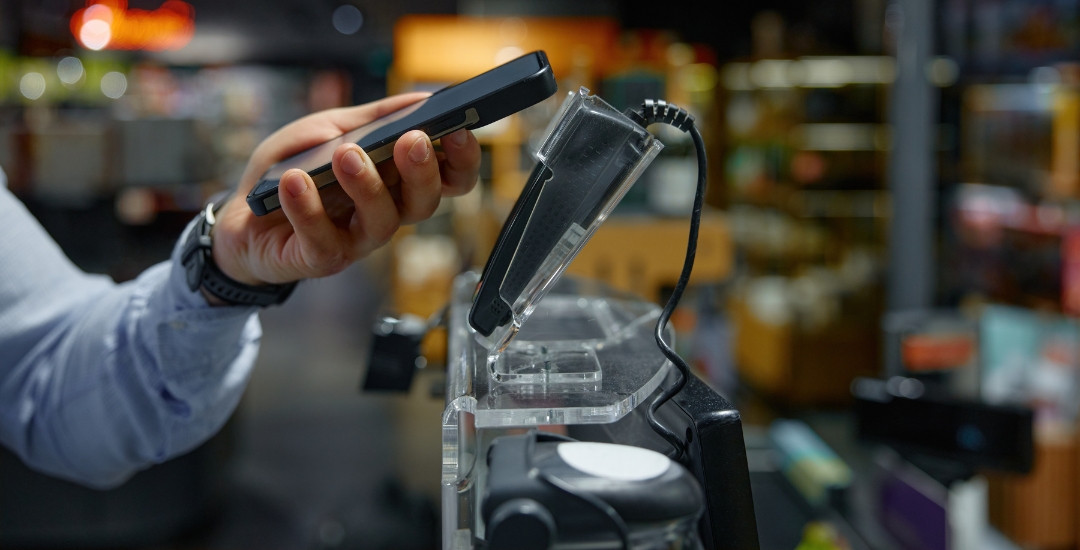
Item level RFID retail India 2026 is transforming how retailers manage inventory, serve customers, and compete in an increasingly omnichannel marketplace. As India’s retail sector prepares to add 40 million square feet of shopping mall space by 2027—with Delhi NCR alone accounting for 13.87 million square feet—retailers are racing to implement technologies that can deliver the inventory accuracy and operational speed that modern consumers demand. At the forefront of this revolution sits item-level RFID tagging, a technology that major global retailers like Walmart and Kroger have mandated for suppliers, and which is now rapidly expanding beyond apparel into electronics, groceries, stationery, pharmaceuticals, and specialty retail categories across India.
The economics driving this adoption are compelling. Retailers implementing item-level RFID achieve on-shelf availability rates exceeding 95%, compared to 85-90% for stores relying on traditional barcode systems. This seemingly small difference translates to massive revenue impact—a 30% reduction in stockouts means customers find what they want when they want it, dramatically reducing lost sales and improving customer satisfaction. For a mid-sized retail chain operating across multiple cities, the revenue recovery from eliminated stockouts alone often justifies the entire RFID investment within the first year.
What makes item level RFID retail India 2026 particularly transformative is the declining cost of UHF RFID tags, which have fallen below $0.04 per unit, making item-level tagging economically viable even for relatively low-value products. This cost reduction, combined with standardized global UHF protocols and the emergence of affordable cloud-based retail management platforms, means even smaller Indian retailers can now access technology that was previously affordable only to large international chains.
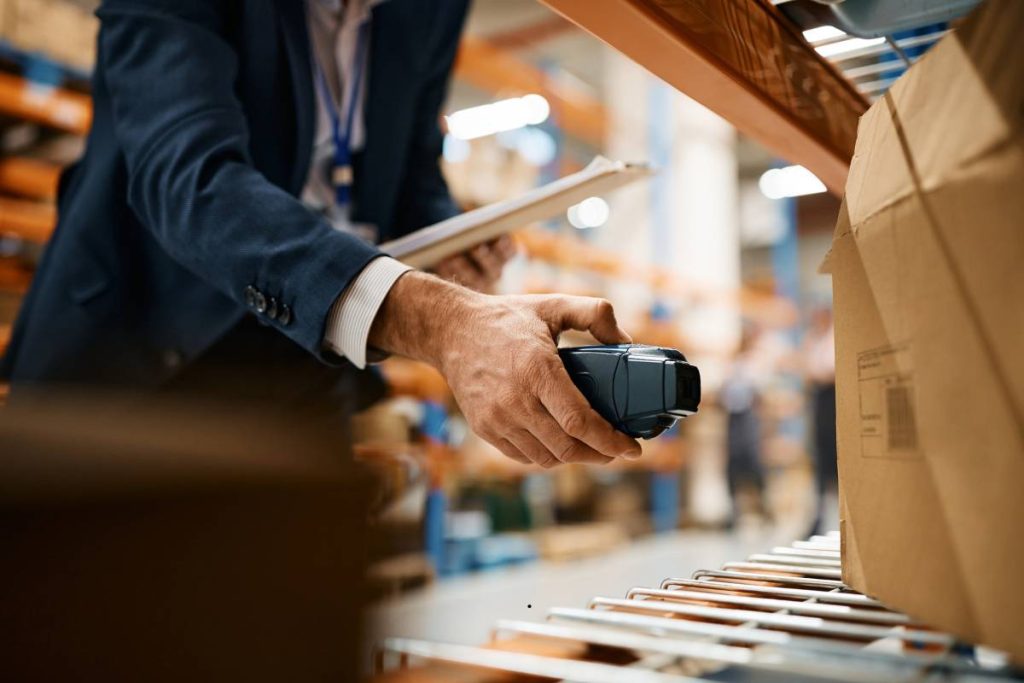
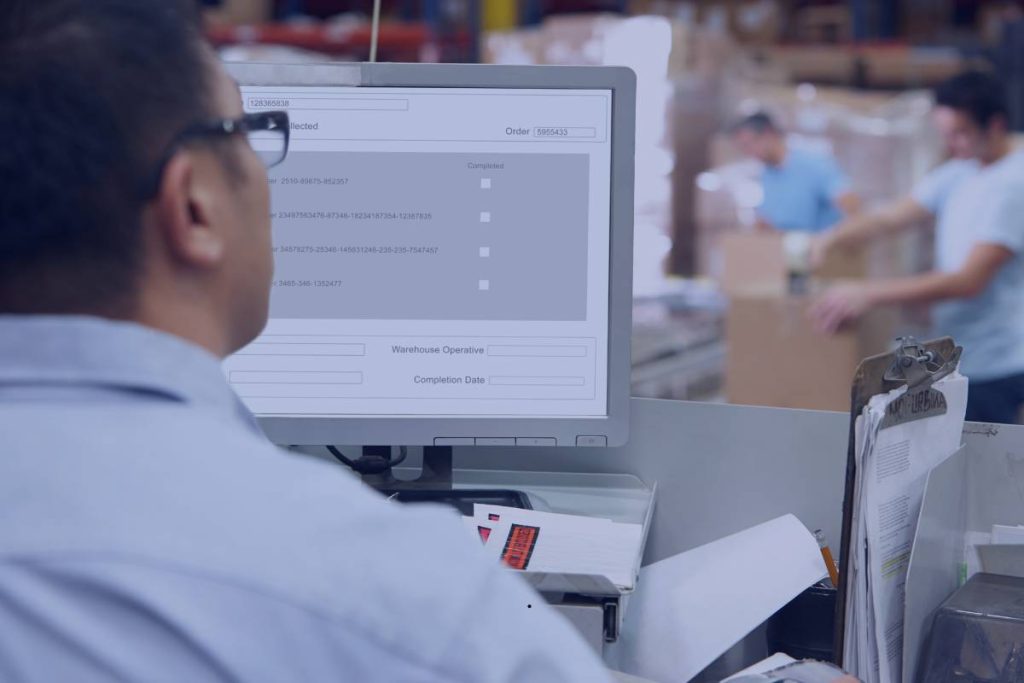
The journey toward superior retail inventory accuracy RFID begins with understanding why traditional systems fail. Manual cycle counts are time-consuming, expensive, and quickly become outdated. Within hours of completing a physical count, the data is already incorrect due to sales, returns, theft, and misplaced items. Barcode scanning requires employees to individually scan each item, a process that takes so long that most stores only conduct full inventory counts quarterly or even annually.
Item-level RFID eliminates these limitations through continuous, automated inventory tracking. A single employee with a handheld RFID reader can count an entire store—thousands of items—in under two hours, compared to the full day (or multiple days) required for barcode-based cycle counts. The difference isn’t just speed; it’s the frequency enabled by that speed. Stores can conduct daily or even hourly inventory scans, ensuring inventory records remain constantly accurate.
This continuous visibility extends to the back room, where “lost” inventory often hides. Retailers estimate that 10-25% of a store’s inventory typically sits in back stock, unsold because employees don’t know it’s there or can’t find it when needed. RFID systems eliminate this problem by tracking every item’s location—sales floor or back room, specific shelf or storage bin. When a customer asks for a particular product, employees know instantly whether it’s available and exactly where to find it.
The theft prevention capabilities of retail inventory accuracy RFID deserve special attention. RFID-enabled anti-theft systems detect when tagged items pass through store exits without proper deactivation at checkout, triggering alarms just like traditional EAS (Electronic Article Surveillance) systems. However, RFID goes further by providing detailed data on exactly which items left the store and when, helping retailers identify shrinkage patterns, high-risk products, and potentially problematic employee behavior. This visibility typically reduces shrinkage by 20-40%, a significant profit recovery for most retailers.
Quality control processes also benefit from item-level RFID. For fashion retailers, RFID tags can track which items have been tried on in fitting rooms, enabling better understanding of customer preferences and helping identify products that generate interest but don’t convert to sales. This data informs merchandising decisions, pricing strategies, and inventory planning in ways that traditional point-of-sale data cannot capture.
The explosive growth of e-commerce in India has created what retail analysts call the “omnichannel imperative“—customers expect to buy online and pick up in store, browse in store and order online for home delivery, or return online purchases to physical stores. None of this works smoothly without unified inventory visibility, which is exactly what omnichannel RFID solutions deliver.
Traditional retail IT systems maintain separate inventory records for each store and distribution center, with periodic updates that lag behind reality. When a customer views product availability online, the system shows “5 units in stock” because that was yesterday’s count. In reality, those units might have sold this morning, been stolen, or gotten misplaced in the back room. Item-level RFID provides accurate, real-time inventory positions across all locations, enabling retailers to confidently promise “available for in-store pickup today” or “ship from nearest store for next-day delivery.”
The operational implications are substantial. Retailers with omnichannel RFID solutions can fulfill online orders from whichever location has excess stock of the requested item, optimizing inventory distribution and reducing the need for inter-store transfers. A customer in Bangalore can order online and have the item shipped from a Chennai store that has overstock, rather than waiting for a transfer from a central warehouse. This inventory pooling significantly improves product availability and reduces markdown pressure on slow-selling locations.
Store-to-store transfers become far more efficient with omnichannel RFID solutions. When Store A requests items from Store B, RFID verification ensures the exact requested products get shipped—not similar items, not wrong sizes, but precisely what was ordered. Upon arrival, receiving staff scan the shipment with RFID readers, confirming receipt of all items in seconds rather than manually checking each item against packing lists. This speed and accuracy dramatically reduce the labor cost of inter-store logistics.
The customer experience improvements from omnichannel RFID solutions directly impact sales. Customers who find products readily available—whether they’re shopping online, in-store, or switching between channels—are far more likely to complete purchases and return for future shopping. The dreaded “out of stock online but we have it in store, out of stock in store but we can ship it” confusion disappears, replaced by clear, accurate availability information across all touchpoints.
Walmart’s latest item-level RFID mandate illustrates the global retail industry’s commitment to this technology. By requiring suppliers across categories to tag products at the source, Walmart ensures comprehensive inventory visibility across its entire supply chain—from manufacturing through distribution to individual store shelves. Indian retailers watching these global trends recognize that item-level RFID is transitioning from competitive advantage to competitive necessity.
Smart checkout systems India powered by RFID technology are revolutionizing the most frustrating part of retail shopping—waiting in line to pay. Traditional checkout requires employees to scan each item’s barcode individually, a time-consuming process that creates bottlenecks during peak shopping hours. RFID-enabled smart checkout systems can read all items in a shopping cart simultaneously, reducing checkout time from minutes to seconds.
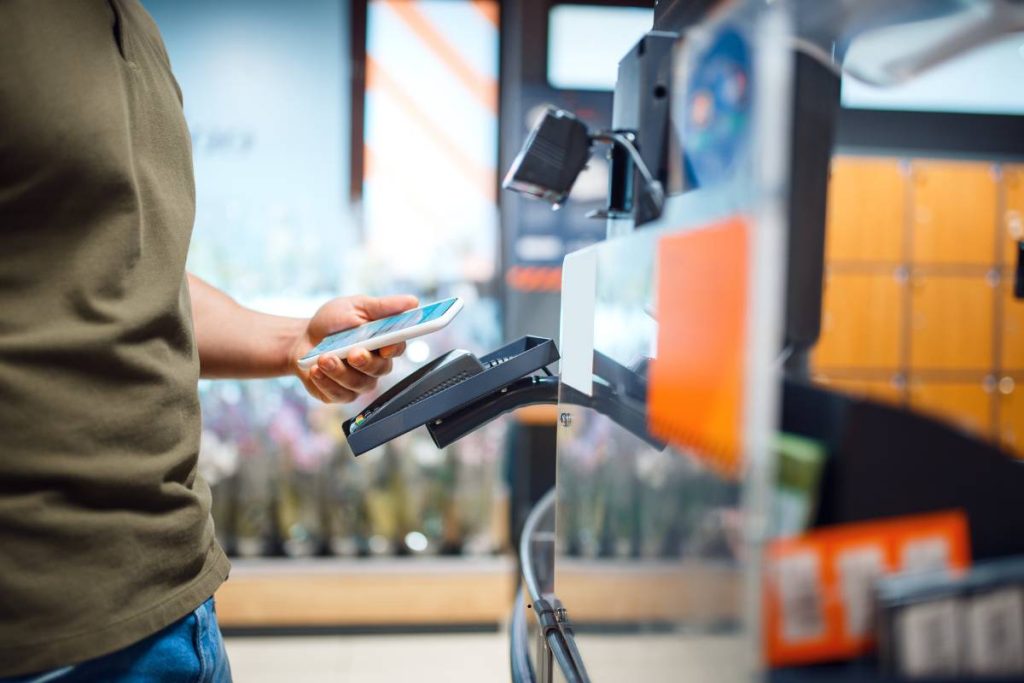
The technology works elegantly. Customers place their items in special RFID-enabled checkout kiosks or pass through RFID reader-equipped checkout lanes. The system instantly reads all RFID tags, displays the total amount, and processes payment—often without requiring employees to touch the products at all. Customers simply tap their payment card or scan a mobile wallet, and they’re done. This speed dramatically improves customer satisfaction while reducing labor costs and increasing the number of transactions a single checkout lane can process.
Self-checkout systems benefit enormously from RFID integration. Traditional self-checkout struggles with theft, as customers can “forget” to scan expensive items or claim cheaper substitutes. RFID-enabled self-checkout automatically detects all items, virtually eliminating these shrinkage sources. The system knows what’s in the bag because it read the tags; if the customer paid for only three items but five tags were detected, the system alerts staff. This loss prevention capability makes self-checkout economically viable for categories like electronics and premium apparel where theft risk previously made self-checkout impractical.
The emerging category of checkout-free stores takes smart checkout systems India to their logical conclusion. Customers simply pick up items and walk out; RFID readers throughout the store track what they selected, and payment processes automatically via a mobile app. While this technology is still nascent in India, pilot deployments in premium shopping districts of Mumbai and Bangalore are demonstrating its viability. For retailers, these stores eliminate checkout labor entirely while providing unprecedented data on customer shopping paths and product interactions.
Labor savings from smart checkout systems extend beyond checkout itself. When customers can process their own transactions quickly and accurately via RFID-enabled self-service, store employees can focus on higher-value activities—helping customers find products, providing styling advice, managing fitting rooms, and creating the personalized shopping experiences that differentiate physical retail from online shopping.
The payment integration aspect of smart checkout systems deserves mention. India’s advanced digital payment infrastructure—UPI, wallets, contactless cards—combines beautifully with RFID checkout technology. Customers scan their purchases via RFID, tap to pay, and leave, all in under 30 seconds. This speed advantage is particularly valuable for convenience stores, quick-service restaurants, and locations where transaction speed directly impacts sales volume.
Theft prevention RFID retail solutions address one of the industry’s most persistent challenges. Retail shrinkage—inventory loss from theft, errors, and damage—typically costs Indian retailers 1-2% of revenue annually. For a retailer with ₹100 crore in annual sales, that’s ₹1-2 crore in pure profit loss. Item-level RFID reduces shrinkage by making theft difficult, detection automatic, and accountability clear.
Traditional Electronic Article Surveillance (EAS) systems use simple tags that trigger alarms when passing through gates. Thieves can defeat these systems by removing tags or using metal-lined bags that block the signal. RFID-based theft prevention retail systems are more sophisticated. Each RFID tag contains a unique identifier linked to a specific product. When items pass through exit gates, the system doesn’t just detect “something unauthorized left the store”—it knows exactly which products exited, when, and whether they were properly purchased.
This detailed visibility transforms how retailers investigate and prevent theft. If high-value electronics consistently show inventory discrepancies in a particular store or during specific shifts, managers can investigate targeted areas rather than conducting random, disruptive store-wide audits. The data might reveal organized retail theft patterns, employee theft, or supplier shortages—problems that require very different solutions.
The psychological deterrent effect of theft prevention RFID retail should not be underestimated. When potential thieves see RFID labels on products and RFID reader equipment throughout the store, they recognize that everything is tracked. Unlike simple security cameras that record theft but don’t prevent it, RFID systems actively track items in real-time. Employees know their handling of merchandise is recorded. The very presence of comprehensive item-level tracking creates accountability that reduces both opportunistic theft and premeditated shrinkage.
Return fraud—customers returning stolen items, swapping contents, or claiming refunds for items they never purchased—also diminishes with RFID implementation. Every product has a unique identifier, so retailers can verify that returned items were actually sold from their stores, match serial numbers to purchase records, and identify patterns of suspicious return behavior. This capability is particularly valuable for high-value categories like electronics and luxury goods where return fraud can be particularly costly.
The integration of RFID with video surveillance systems creates powerful loss prevention capabilities. When RFID detects unauthorized item movement, security systems can automatically trigger camera recording and zoom to the relevant area. This correlation between tagged item movements and visual evidence helps prosecute theft cases and provides concrete data for insurance claims when shrinkage occurs despite prevention efforts.
While fashion retailers pioneered item level RFID retail India 2026, the technology is rapidly expanding into categories that benefit even more from granular inventory tracking. Electronics retailers use RFID to track high-value items like smartphones, laptops, and cameras, preventing theft while maintaining real-time inventory visibility. The ability to know “exactly 7 iPhone units in stock, 4 on display and 3 in secure storage” eliminates the “let me check the back” delays that frustrate customers.
Grocery retailers are implementing item-level RFID for perishable goods, where expiration date tracking is critical. RFID tags can store production and expiration dates, enabling automated First-In-First-Out (FIFO) inventory rotation. The system automatically directs stock clerks to pull items approaching expiration for promotional pricing or removal before they spoil, dramatically reducing food waste. Temperature-sensitive RFID sensor tags monitor cold chain integrity for dairy, meat, and frozen products, alerting staff immediately if refrigeration fails.
Pharmaceutical retail benefits enormously from item-level RFID’s anti-counterfeiting capabilities. Each medicine package gets a unique RFID tag during manufacturing, creating an unbreakable chain of custody from factory to patient. Pharmacies can verify authentic products and track temperature exposure during transport and storage, ensuring medication efficacy. For controlled substances, RFID provides the detailed tracking and accountability that regulatory compliance demands.
Specialty retail categories—books, stationery, beauty products, toys—are discovering item-level RFID’s value in managing massive SKU counts. Bookstores carrying tens of thousands of titles struggle with inventory accuracy using traditional methods. RFID enables quick, frequent inventory scans that keep records accurate despite high product variety and relatively low per-item value. The technology makes previously impractical inventory visibility economically viable.
Item level RFID retail India 2026 delivers on-shelf availability rates exceeding 95%, compared to 85-90% for barcode systems. This results in 30% reduction in stockouts, preventing lost sales. Retailers achieve 95-98% inventory accuracy compared to 60-65% with traditional systems. RFID reduces shrinkage by 20-40% through better theft prevention. Smart checkout reduces transaction time from minutes to seconds. Continuous inventory tracking enables confident omnichannel fulfillment. UHF tags now cost under ₹3 each, making implementation economically viable even for mid-value products. Most retailers see positive ROI within 12-24 months through shrinkage reduction, labor savings, and stockout elimination.
UHF RFID tags now cost below ₹3 per unit (under $0.04), making per-item tagging economically viable for products above ₹200-300 retail price. Infrastructure costs—fixed readers, handheld scanners, software systems—typically range from ₹15-30 lakhs for a mid-sized store. Cloud-based platforms reduce costs through SaaS models with monthly subscriptions starting around ₹25,000-40,000. Most retailers see positive ROI within 12-24 months through shrinkage reduction (20-40%), labor savings (40-60% at checkout), and revenue recovery from eliminated stockouts (30% reduction). For a retailer with ₹100 crore annual sales, reducing shrinkage from 2% to 1.2% recovers ₹80 lakhs annually.
RFID-enabled self-checkout automatically detects all items, virtually eliminating theft. The system knows what’s in the bag because it read the tags; if the customer paid for only three items but five tags were detected, the system alerts staff. This loss prevention capability makes self-checkout viable for electronics and premium apparel where theft risk previously made it impractical. RFID-based theft prevention systems are more sophisticated than traditional EAS. Each tag contains a unique identifier linked to a specific product. Exit gates don’t just detect unauthorized items—they know exactly which products exited, when, and whether they were properly purchased. This detailed visibility typically reduces shrinkage by 20-40%.
Omnichannel RFID solutions provide accurate, real-time inventory positions across all locations, enabling retailers to confidently promise ‘available for in-store pickup today’ or ‘ship from nearest store for next-day delivery.’ Retailers can fulfill online orders from whichever location has excess stock, optimizing inventory distribution. When customers browse product availability online, RFID-driven systems show current, accurate stock levels—not yesterday’s counts—because the system continuously tracks items as they sell or get returned. Store employees quickly locate items using RFID readers, finding products even if misplaced, enabling same-day fulfillment that drives customer satisfaction.
While fashion retailers pioneered item level RFID, the technology now works across virtually all categories. Electronics retailers track smartphones, laptops, and cameras. Grocery retailers manage perishable goods with expiration date tracking and temperature-sensitive sensor tags for cold chain monitoring. Pharmaceutical retail uses RFID for anti-counterfeiting and controlled substance tracking. Specialty retail—books, stationery, beauty products, toys—benefit from managing massive SKU counts. Category expansion is accelerating because UHF tag prices dropped below $0.04, making tagging economically viable even for relatively low-value items. Retailers determine ROI based on shrinkage levels, inventory accuracy requirements, and stockout costs.
Transform Your Retail Operations with Item-Level RFID
India’s leading retailers are achieving 95%+ inventory accuracy and 30% stockout reduction through item-level RFID implementation. As the retail sector adds 40 million square feet of new space, operational excellence through technology becomes the key competitive differentiator.
Ecartes Technology—India’s first RAIN RFID Alliance member—has deployed retail RFID solutions across apparel, electronics, grocery, and specialty retail formats. With 28 years of RFID expertise, we understand the unique challenges of Indian retail operations, from cost-sensitive implementations to integration with existing POS systems.
Item level RFID retail India 2026 achieves 95-98% inventory accuracy compared to 60-65% with traditional barcode systems. This dramatic improvement occurs because RFID readers can scan hundreds of items simultaneously without requiring line-of-sight visibility, eliminating the human errors inherent in manual barcode scanning. RFID systems track items continuously as they move through stores, updating inventory records in real-time rather than waiting for periodic manual counts that quickly become outdated. This constant visibility means inventory records accurately reflect current reality, enabling confident customer commitments and precise fulfillment.
The cost of implementing item level RFID has decreased dramatically, making it accessible even for smaller Indian retailers. UHF RFID tags now cost below ₹3 per unit (under $0.04), making per-item tagging economically viable for products above ₹200-300 retail price. Infrastructure costs—fixed readers, handheld scanners, software systems—typically range from ₹15-30 lakhs for a mid-sized store, but cloud-based retail management platforms reduce this through SaaS models with monthly subscriptions starting around ₹25,000-40,000. Most retailers see positive ROI within 12-24 months through shrinkage reduction, labor savings, and revenue recovery from eliminated stockouts.
Yes, smart checkout systems India powered by RFID can reduce checkout labor costs by 40-60% while actually improving customer experience. RFID-enabled self-checkout and checkout-free stores allow customers to process transactions independently, reducing the number of staffed checkout lanes required during normal periods while maintaining capacity for peak hours. However, rather than eliminating jobs entirely, most retailers redeploy employees from checkout to higher-value customer service roles like personal shopping assistance, styling advice, and sales floor support that directly drive revenue rather than just processing transactions.
Theft prevention RFID retail solutions typically reduce shrinkage by 20-40% compared to traditional EAS systems. The improvement comes from multiple factors: RFID tags are harder to remove without damaging products, exit gates detect specific items (not just generic tags), and the comprehensive tracking creates accountability that deters both customer theft and employee pilferage. More importantly, RFID provides detailed data showing exactly what items were lost, when, and from which locations, enabling targeted security improvements rather than costly store-wide measures. The unique identifier on each tag also prevents return fraud by verifying returned items were actually purchased from that retailer.
While fashion retailers pioneered item level RFID retail India 2026, the technology now works effectively across virtually all retail categories. Electronics, groceries, pharmaceuticals, books, cosmetics, toys, sporting goods, and home goods retailers all successfully use item-level RFID. Category expansion is accelerating because UHF tag prices dropped below $0.04, making tagging economically viable even for relatively low-value items. Retailers determine ROI based on shrinkage levels, inventory accuracy requirements, and stockout costs—categories with high theft, large SKU counts, or expensive stockouts benefit most from item-level RFID regardless of product type.
Omnichannel RFID solutions enable accurate “buy online, pick up in store” and “ship from store” programs by providing real-time inventory visibility across all locations. When customers browse product availability online, RFID-driven inventory systems show current, accurate stock levels—not yesterday’s counts—because the system continuously tracks items as they sell, move, or get returned. This accuracy prevents the “sorry, we don’t actually have it” disappointments that plague retailers with unreliable inventory data. Store employees can quickly locate items for online order fulfillment using RFID readers, finding products even if they’ve been misplaced or moved to different shelves, enabling same-day fulfillment that drives customer satisfaction and competitive advantage.

Content writer at Ecartes Technology specializing in RFID solutions, industrial automation, and smart manufacturing. I create research-driven, SEO-focused content that educates businesses and supports digital transformation across India’s industrial sectors.
Enhance efficiency, accuracy, and security with our cutting-edge RFID solutions. From inventory management to access control, we provide customized RFID systems tailored to your needs. Optimize operations and reduce costs—get started today!
© Powered by E-Cartes Technology Pvt. Ltd.
Design & Developed By 


