- Home
- About Us
- Shop
- Card Personalization
Smart Card Printer
Card & Consumables
Card Softwares
- RFID & IOT
- Other Services
- Contact Us


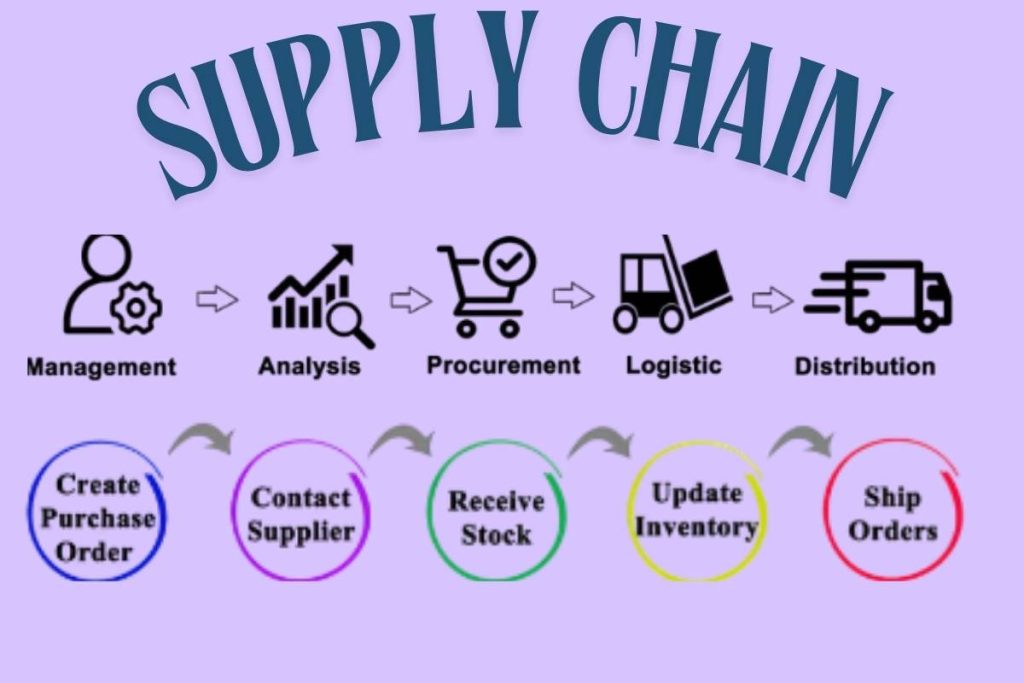
RFID supply chain visibility India 2026 is transforming how businesses track products across complex logistics networks spanning suppliers, manufacturers, warehouses, transportation providers, customs checkpoints, and retail destinations. As India’s logistics sector races toward a projected valuation of ₹378.69 billion by 2030—supported by the government’s massive ₹5.97 billion investment in multi-modal logistics parks—companies are discovering that traditional tracking methods simply cannot deliver the real-time, end-to-end transparency that modern supply chains demand. Radio Frequency Identification technology provides the answer, enabling automatic identification and continuous monitoring of shipments as they move through every stage of the supply chain, from raw material sourcing to final delivery.
The timing for this transformation could not be more critical. India’s participation in global trade networks exposes businesses to increasingly complex customs regulations, tariff requirements, and compliance documentation demands. When a shipment crosses international borders, authorities need proof of origin, accurate product classification, and complete traceability—requirements that manual paperwork and barcode systems struggle to satisfy consistently. RFID supply chain visibility India 2026 addresses these challenges head-on by creating digital records that travel with physical goods, providing instant verification and reducing costly border delays that can derail delivery schedules and damage customer relationships.
Beyond compliance, the business case for end-to-end supply chain tracking RFID centers on operational efficiency and cost reduction. Logistics providers operating across India’s vast geography—from ports in Mumbai and Chennai to inland container depots in Delhi and distribution centers in Tier-2 cities—lose millions of rupees annually to misrouted shipments, lost cargo, and inventory discrepancies. When pallets disappear somewhere between the warehouse loading dock and customer delivery, the financial impact extends far beyond the product’s value to include expedited replacement costs, customer compensation, and damaged reputation. RFID systems eliminate these black holes of visibility by tracking every item automatically at every checkpoint.


RFID supply chain visibility India 2026 represents the integration of passive UHF RFID tags, fixed readers, handheld scanners, GPS tracking, and cloud-based software platforms to create comprehensive product journey transparency. Unlike traditional shipment tracking that provides occasional status updates (“departed warehouse,” “in transit,” “delivered”), RFID-enabled visibility delivers continuous, granular monitoring. The system knows not just that a shipment left the warehouse, but precisely which items were loaded, into which container, on which truck, at what time, and which route the driver selected.
The technology architecture combines multiple components working in synchronized coordination. Suppliers attach RFID tags to products, pallets, or shipping containers during manufacturing or warehouse packing. These passive UHF tags—costing just ₹2-5 each—contain unique Electronic Product Codes that identify individual items and link to backend databases storing detailed product information including origin, specifications, handling requirements, and destination. As tagged shipments move through the supply chain, fixed RFID readers mounted at strategic chokepoints—factory gates, warehouse docks, customs checkpoints, distribution centers—automatically detect passing items and update central systems.
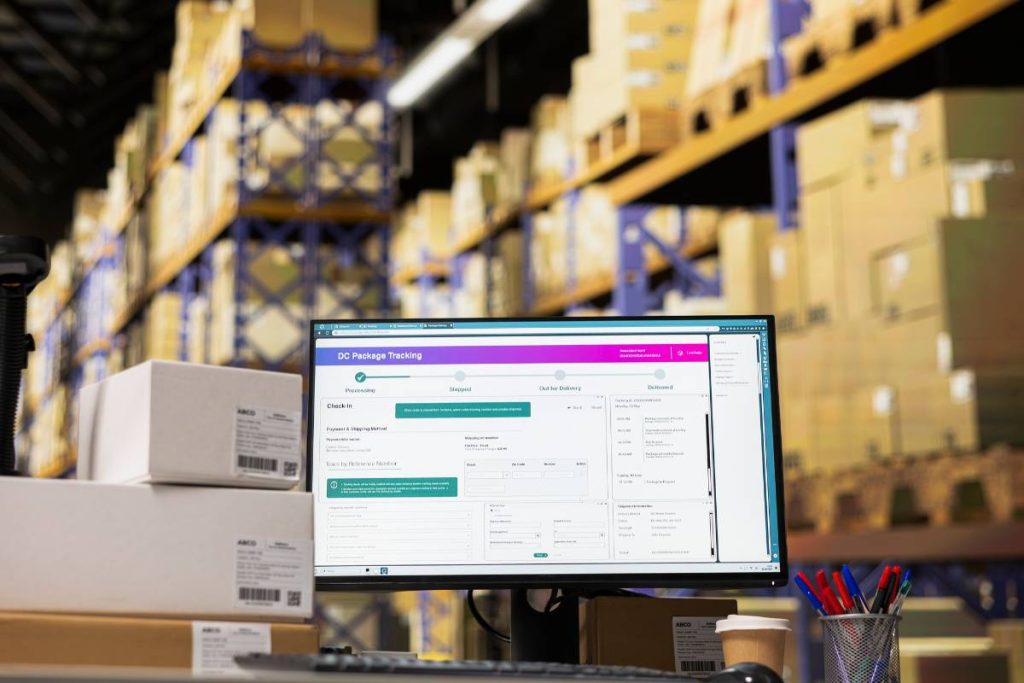
The cloud-based supply chain management platform aggregates this continuous stream of RFID data, providing stakeholders with real-time dashboards showing current product locations, estimated arrival times, temperature exposures (for sensor-enabled tags), and any deviations from planned routes. When a shipment encounters unexpected delays—traffic congestion, customs hold, vehicle breakdown—the system alerts all relevant parties immediately rather than waiting for manual status updates that might come hours or days later. This early warning capability enables proactive problem-solving that minimizes disruption impact.
For businesses managing complex, multi-tiered supply chains with dozens of suppliers and logistics partners, real-time logistics visibility India transforms coordination from reactive guesswork into data-driven precision. Consider an automotive manufacturer sourcing components from suppliers across Gujarat, Maharashtra, and Tamil Nadu for final assembly in Haryana. Traditional tracking methods provide limited visibility into when components will actually arrive, forcing production planners to maintain excessive safety stock or risk assembly line shutdowns due to parts shortages. RFID supply chain visibility India 2026 solves this dilemma by providing accurate, real-time component location data that enables just-in-time manufacturing with confidence.
The power of end-to-end supply chain tracking RFID becomes most apparent when examining complete product journeys rather than isolated segments. A pharmaceutical company exporting medications from a manufacturing facility in Goa to distributors in European markets faces complexity at every stage: domestic transportation to Mumbai port, customs clearance and export documentation, ocean freight across multiple weeks, import customs at the destination country, regional distribution, and final pharmacy delivery. Each handoff represents potential delays, documentation errors, or product quality issues.
RFID technology creates an unbroken digital thread connecting all these touchpoints. When the manufacturer tags medication packages with RFID labels encoding product details, batch numbers, expiration dates, and temperature exposure limits, that information travels with the physical products throughout their journey. Fixed RFID readers at the factory gate record shipment departure time and exact product manifest. Mobile RFID readers in the delivery truck provide location updates as the shipment travels to the port. Port terminal readers automatically verify cargo against bills of lading during container loading.
During ocean transit, RFID sensor tags monitor temperature and humidity, critical for maintaining medication efficacy. Upon arrival at the destination port, customs officials scan RFID tags to verify product authenticity and regulatory compliance without opening every container—dramatically accelerating clearance processes. Regional distributors scan tags during receiving to confirm delivery accuracy and update inventory systems. Pharmacies perform final scans to ensure proper products reach intended locations.
This comprehensive end-to-end supply chain tracking RFID provides multiple layers of value. Quality assurance teams can verify that temperature-sensitive medications never exceeded safe storage limits during the entire journey. Compliance officers can produce complete chain of custody documentation for regulatory audits within minutes rather than weeks of manual record compilation. Sales teams can give customers accurate delivery estimates based on real shipment progress rather than generic transit time estimates. Finance departments can reconcile payments to logistics providers based on verified performance data showing actual pickup and delivery times.
The prevention of cargo loss and theft represents another critical benefit of comprehensive tracking. India’s logistics sector struggles with significant shrinkage due to theft, misrouting, and unexplained disappearances. When high-value electronics or pharmaceutical shipments vanish somewhere between origin and destination, insurance claims and replacement costs add up quickly. RFID traceability solutions supply chain enable precise identification of where problems occurred—a particular warehouse, transportation leg, or logistics partner—enabling targeted security improvements rather than blanket suspicion of all supply chain participants.
Traditional supply chain tracking operates on periodic updates—shipment status might refresh once every few hours or when cargo reaches major checkpoints. Real-time logistics visibility India through RFID technology eliminates these information gaps by providing continuous, live tracking that updates every few seconds as tagged items move. This transition from periodic snapshots to continuous video-like visibility fundamentally changes how logistics operations manage exceptions and optimize performance.
The National Logistics Policy’s emphasis on reducing logistics costs from 14% to below 10% of GDP creates strong incentives for adopting technologies that improve transportation efficiency and reduce waste. Real-time logistics visibility India enables several cost reduction strategies that periodic tracking cannot support. Dynamic route optimization becomes possible when logistics managers know exactly where every truck in the fleet currently operates, which deliveries have completed, and which destinations still require service. Rather than following predetermined routes regardless of changing conditions, drivers can receive updated instructions that avoid traffic congestion, combine nearby deliveries for fuel efficiency, or prioritize time-sensitive shipments.
Exception management improves dramatically with real-time visibility. When a refrigerated truck carrying perishable goods experiences cooling system failure, every hour of delay increases product spoilage risk. Traditional tracking might not reveal the problem until the truck reaches its destination and spoiled products are discovered during unloading. RFID sensor tags combined with real-time logistics visibility India detect temperature excursions immediately and alert operations teams while products might still be salvaged through expedited delivery to the nearest cold storage facility or priority unloading at the original destination.
The coordination between multiple logistics providers participating in intermodal shipments becomes far more reliable with real-time visibility. A shipment traveling from Bangalore to Delhi via truck-to-rail-to-truck handoffs faces multiple points where delays in one segment cascade into missed connections in subsequent segments. When the first truck gets stuck in Bangalore traffic and arrives late at the rail terminal, traditional systems might not update the rail carrier until the truck actually arrives—by which time the scheduled train may have departed. Real-time logistics visibility India allows the rail carrier to see approaching delays in the truck segment and hold the rail connection or arrange alternative transport, preventing costly multi-day delays.
Customer experience improvements drive additional value from real-time visibility. E-commerce customers expect accurate delivery windows—not vague “arriving sometime next Tuesday” estimates but specific “between 2-4 PM” precision. Real-time logistics visibility India makes these tight windows achievable by providing accurate current location data and realistic estimated arrival times based on actual traffic conditions and delivery queue positions rather than historical averages.
As global supply chains face increasing regulatory scrutiny regarding product origin, safety standards, and environmental impact, RFID traceability solutions supply chain provide the comprehensive documentation that compliance demands. India’s growing participation in export markets exposes manufacturers to regulations like the European Union’s Carbon Border Adjustment Mechanism, which requires detailed documentation of production carbon footprints. Traditional paper-based traceability systems struggle to compile this information accurately and efficiently.
RFID tags can encode extensive product information including manufacturing location, production date, component sources, energy consumption during production, and environmental certifications. This data travels with products throughout the supply chain, automatically captured and compiled into complete traceability records. When customs officials or regulatory inspectors require proof of origin or compliance with safety standards, exporters can produce comprehensive documentation drawn from RFID tracking records rather than manually assembling scattered paperwork of questionable accuracy.
The pharmaceutical and food sectors benefit particularly from RFID traceability solutions supply chain due to stringent safety regulations and recall requirements. When contamination or quality issues affect specific product batches, manufacturers must identify and remove affected items quickly to prevent health risks. Traditional lot tracking systems based on barcode scanning provide batch-level traceability but struggle with individual item identification. RFID enables serialization at the individual product level, allowing precise identification of specific packages from affected batches even after products have distributed across multiple wholesalers and retail locations.
Grey market prevention and anti-counterfeiting capabilities emerge naturally from comprehensive supply chain traceability. Luxury goods, electronics, and pharmaceuticals face significant counterfeiting challenges in India. Fake products not only damage brand reputation but can pose serious safety risks—counterfeit medications containing incorrect active ingredients, counterfeit electronics prone to fire hazards. RFID traceability solutions supply chain enable product authentication at any point in the distribution network. Retailers, distributors, and even consumers can scan RFID tags to verify authentic products and detect counterfeit substitutes attempting to enter legitimate supply chains.
Tariff classification and customs compliance represent growing challenges as trade regulations become more complex and enforcement stricter. Incorrect product classification can trigger significant fines and import delays. Supply chain transparency RFID India helps companies avoid these problems by maintaining accurate product information that customs officials can verify instantly. When RFID tags encode complete product specifications including materials, country of origin, and manufacturing processes, customs classification becomes straightforward rather than requiring extensive manual review of potentially incomplete documentation.
Supply chain transparency RFID India addresses increasing stakeholder demands for visibility into product origins, manufacturing conditions, and environmental impacts. Consumers want to know where their purchases come from and whether they were produced ethically. Investors pressure companies to demonstrate sustainable practices. Regulators require proof of compliance with labor, environmental, and safety standards. RFID technology provides the data foundation for meeting all these transparency requirements.
The multi-modal logistics infrastructure that India is building—connecting ports, railways, highways, and airports through integrated logistics parks—creates opportunities for seamless RFID-tracked shipments moving between transportation modes. As containers transfer from ocean vessels to rail cars to trucks, RFID readers at each handoff point automatically update tracking systems without manual intervention. This automation not only improves accuracy but also reduces the labor costs and time delays associated with manual cargo documentation and verification.
Sustainability reporting benefits significantly from RFID supply chain visibility. Companies committed to reducing carbon footprints need accurate data on transportation distances, modal choices, and energy consumption throughout their supply chains. RFID tracking provides this information as a natural byproduct of logistics visibility—the system already knows which routes shipments traveled, how long they spent in various transportation modes, and whether they encountered delays requiring energy-intensive expedited shipping. This data feeds directly into carbon accounting systems and sustainability reports.
Supplier relationship management improves when transparency extends upstream into supplier performance monitoring. Manufacturers evaluating supplier reliability need objective data on delivery timeliness, product quality, and compliance with specifications. RFID traceability solutions supply chain provide this evidence automatically rather than requiring manual performance tracking. When supplier A consistently delivers on time with zero product quality issues while supplier B frequently ships late with higher defect rates, RFID data makes these performance differences visible, enabling informed sourcing decisions.
The circular economy and reverse logistics represent emerging applications for supply chain transparency RFID India. As businesses embrace sustainability goals including product take-back programs, remanufacturing, and recycling, they need to track products not just through initial sale but through entire lifecycles including customer use, collection, disassembly, and material recovery. RFID tags attached to products enable this extended tracking, supporting circular economy initiatives that reduce waste and maximize resource utilization.
Successful deployment of RFID supply chain visibility India 2026 requires strategic planning beyond simply purchasing tags and readers. Companies must consider tag placement strategies, reader infrastructure deployment, software integration, and change management to realize full benefits. Tag placement affects read rates—metal containers, liquids, and dense packaging can interfere with RFID signals, requiring careful tag positioning to ensure reliable scanning.
Integration with existing enterprise systems—ERP, WMS, TMS, customs clearance platforms—determines whether RFID data creates actionable insights or sits isolated in separate databases. The value of knowing that Shipment X is currently at Location Y increases dramatically when that information automatically updates purchase orders, adjusts production schedules, and notifies customers of delivery progress. Cloud-based platforms specializing in supply chain visibility can aggregate RFID data from multiple sources and make it accessible to all authorized stakeholders regardless of whether they’re suppliers in Gujarat, logistics providers in transit, or customers in international markets.
The phased implementation approach works well for most organizations. Rather than attempting to RFID-tag every product and deploy readers across the entire supply chain simultaneously, companies start with high-value products, critical suppliers, or routes experiencing the most visibility challenges. This focused approach delivers quick wins that build organizational support for broader deployment while allowing teams to develop RFID management expertise before scaling up.
RFID supply chain visibility India 2026 reduces inventory shrinkage by 20-30%, lowers logistics costs 10-15% through route optimization, accelerates customs clearance from days to hours, enables accurate delivery predictions, prevents cargo loss through continuous tracking, and supports National Logistics Policy cost reduction goals. Tag costs of ₹2-5 make implementation affordable with ROI in 18-24 months.
RFID readers at each handoff point—ports, rail terminals, trucks—automatically update tracking as containers transfer between transportation modes. The system maintains an unbroken digital thread from origin to destination, with cloud platforms aggregating data from all touchpoints. This eliminates manual documentation, improves handoff accuracy, and enables seamless transitions across India’s multi-modal logistics infrastructure.
Yes, RFID tags encode complete product specifications including country of origin, materials, and manufacturing processes. Customs officials scan tags for instant verification without opening containers or reviewing extensive paperwork. This reduces clearance time from days to hours while improving classification accuracy and helping businesses qualify for preferential trade agreements through automated origin proof.
Passive UHF tags cost ₹2-5 each, reader infrastructure ₹50,000-2,00,000 per location, plus software integration. Most businesses see positive ROI within 18-24 months through reduced shrinkage (20-30% reduction), lower logistics costs (10-15% savings), and faster customs clearance. Companies tracking high-value products often achieve ROI in 12-15 months.
Supply chain transparency RFID India addresses increasing stakeholder demands for visibility into product origins, manufacturing conditions, and environmental impacts. Consumers want to know where their purchases come from and whether they were produced ethically. Investors pressure companies to demonstrate sustainable practices. Regulators require proof of compliance with labor, environmental, and safety standards. RFID technology provides the data foundation for meeting all these transparency requirements.
The multi-modal logistics infrastructure that India is building—connecting ports, railways, highways, and airports through integrated logistics parks—creates opportunities for seamless RFID-tracked shipments moving between transportation modes. As containers transfer from ocean vessels to rail cars to trucks, RFID readers at each handoff point automatically update tracking systems without manual intervention. This automation not only improves accuracy but also reduces the labor costs and time delays associated with manual cargo documentation and verification.
Sustainability reporting benefits significantly from RFID supply chain visibility. Companies committed to reducing carbon footprints need accurate data on transportation distances, modal choices, and energy consumption throughout their supply chains. RFID tracking provides this information as a natural byproduct of logistics visibility—the system already knows which routes shipments traveled, how long they spent in various transportation modes, and whether they encountered delays requiring energy-intensive expedited shipping. This data feeds directly into carbon accounting systems and sustainability reports.
Supplier relationship management improves when transparency extends upstream into supplier performance monitoring. Manufacturers evaluating supplier reliability need objective data on delivery timeliness, product quality, and compliance with specifications. RFID traceability solutions supply chain provide this evidence automatically rather than requiring manual performance tracking. When supplier A consistently delivers on time with zero product quality issues while supplier B frequently ships late with higher defect rates, RFID data makes these performance differences visible, enabling informed sourcing decisions.
The circular economy and reverse logistics represent emerging applications for supply chain transparency RFID India. As businesses embrace sustainability goals including product take-back programs, remanufacturing, and recycling, they need to track products not just through initial sale but through entire lifecycles including customer use, collection, disassembly, and material recovery. RFID tags attached to products enable this extended tracking, supporting circular economy initiatives that reduce waste and maximize resource utilization.
RFID tracking automatically documents transportation routes, distances, and modal choices for accurate carbon footprint calculations. Temperature monitoring reduces waste from spoilage. Origin data supports ethical sourcing claims. Complete lifecycle tracking enables circular economy initiatives. This comprehensive data eliminates manual sustainability data gathering while providing ESG reporting accuracy.
Ready to Transform Your Supply Chain Visibility?
India’s logistics sector is evolving rapidly toward the National Logistics Policy’s efficiency targets. Companies implementing RFID supply chain visibility gain competitive advantages through reduced costs, faster deliveries, and compliance automation.
Ecartes Technology—with 28+ years of RFID expertise and empanelment with government logistics programs—delivers end-to-end supply chain tracking solutions tailored for India’s multi-modal infrastructure. From tags and readers to cloud platform integration, we provide complete visibility ecosystems.
RFID supply chain visibility India 2026 accelerates customs clearance by providing instant access to complete product documentation encoded in RFID tags. Customs officials scan tags to verify product details, country of origin, and tariff classifications without opening containers or manually reviewing extensive paperwork. This automation reduces clearance time from days to hours while improving accuracy and reducing errors that trigger costly delays. The comprehensive traceability also helps businesses qualify for preferential trade agreements by proving product origin requirements.
Most businesses implementing end-to-end supply chain tracking RFID see positive return on investment within 18-24 months. Initial costs include RFID tags (₹2-5 each for passive UHF), reader infrastructure (₹50,000-2,00,000 per location), and software integration. Returns come from reduced inventory shrinkage (typically 20-30% reduction), lower logistics costs through route optimization (10-15% savings), faster customer deliveries enabling premium pricing, and reduced customs delays. Companies tracking high-value products or managing complex multi-tier supply chains often achieve ROI in 12-15 months.
Yes, modern RFID traceability solutions supply chain are designed specifically for integration with existing enterprise systems including SAP, Oracle, Microsoft Dynamics, and specialized logistics platforms. Standard integration protocols (APIs, EDI, webhooks) enable RFID data to flow automatically into ERP systems updating inventory records, TMS platforms optimizing routes, and WMS software directing warehouse operations. Cloud-based RFID platforms simplify integration by providing pre-built connectors for popular enterprise software, eliminating custom development requirements that previously made integration expensive and time-consuming.
Real-time logistics visibility India directly supports the National Logistics Policy’s goal of reducing logistics costs from 14% to below 10% of GDP by eliminating inefficiencies throughout the supply chain. Immediate visibility into shipment locations enables dynamic route optimization that reduces fuel consumption and vehicle idle time. Faster exception detection prevents small problems from becoming expensive disasters. Accurate delivery time predictions reduce customer expedite requests. Automated customs documentation accelerates border crossings. Collectively, these improvements can reduce total logistics costs by 15-25%, aligning perfectly with the policy’s efficiency targets.
RFID systems handle connectivity gaps through local data storage and batch uploads. RFID readers installed in trucks or at remote facilities store scan data locally when internet connections are unavailable. When vehicles return to areas with connectivity or periodic satellite uploads occur, stored data transmits to central systems. This approach maintains complete tracking records even through connectivity-challenged routes. For time-critical shipments, satellite-connected RFID readers provide continuous visibility regardless of terrestrial network availability, though at higher equipment costs that make sense for valuable or time-sensitive cargo.
Supply chain transparency RFID India provides the detailed data that sustainability reporting requires. RFID tracking records document actual transportation routes and distances, enabling accurate carbon footprint calculations. Temperature monitoring data proves proper handling of refrigerated goods, reducing waste from spoilage. Proof of origin data supports ethical sourcing claims. Complete product lifecycle tracking enables circular economy initiatives including take-back programs and remanufacturing. This comprehensive data collection happens automatically as products move through the supply chain, eliminating manual data gathering that makes sustainability reporting expensive and error-prone.

Content writer at Ecartes Technology specializing in RFID solutions, industrial automation, and smart manufacturing. I create research-driven, SEO-focused content that educates businesses and supports digital transformation across India’s industrial sectors.
Enhance efficiency, accuracy, and security with our cutting-edge RFID solutions. From inventory management to access control, we provide customized RFID systems tailored to your needs. Optimize operations and reduce costs—get started today!
© Powered by E-Cartes Technology Pvt. Ltd.
Design & Developed By 


